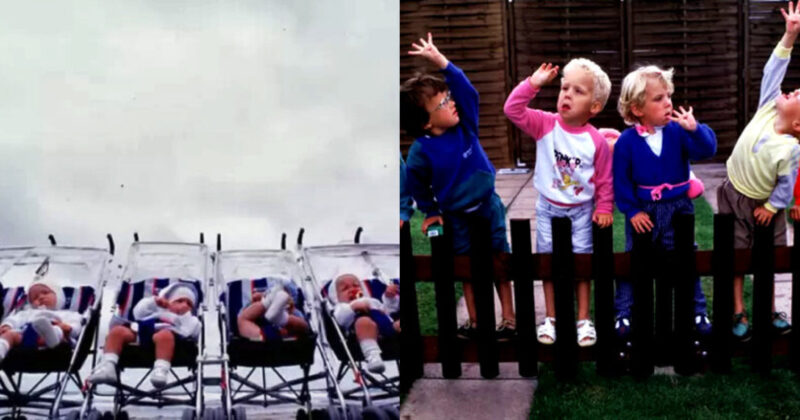
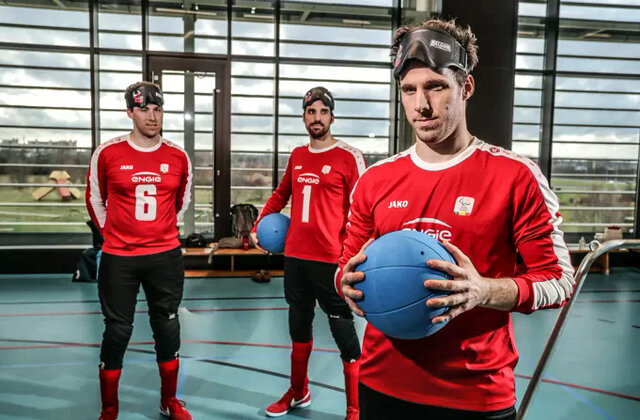
They were long forgotten, if not for the Paralympic Games in Tokyo in 2021. Then, three brothers from that sextuplet took to the field as part of a team. Health problems force them to participate in competitions for people with disabilities.
It is believed that the likelihood of giving birth to sextuplets is 1 in 4.5 million births. Even fewer hopes that newborns will survive infancy. Quintuplets, sextuplets, septuplets, octuplets, and even nonuplets are born physically less developed than regular babies.
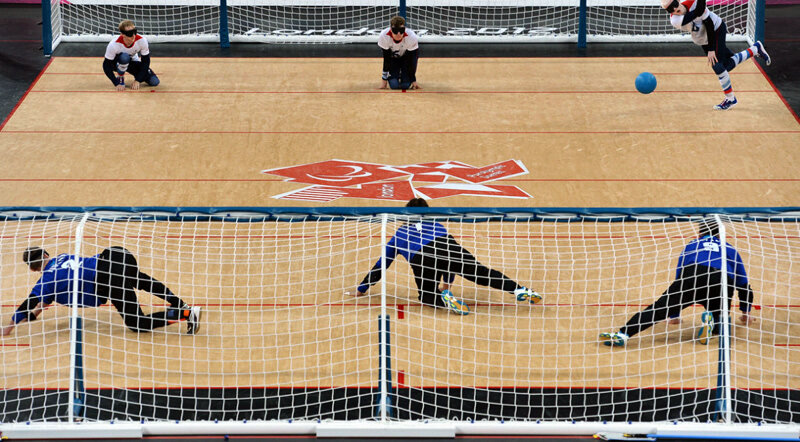
In our story, each of the children weighed between 1.3 and 1.5 kg at birth. At least three of the children have congenital vision problems.
On August 17, 1983, at the maternity ward of a hospital in the city of Blankenberghe, Belgium, 23 doctors—midwives, anesthesiologists, surgeons, and pediatricians—gathered. For the first time in the history of the 20,000-strong town, the birth of a quartet of infants was expected. At that time, rudimentary ultrasound showed that 23-year-old pregnant nurse Ria Van Hove was carrying 4 fetuses.
Both the mother and the medical team were surprised. One after another, six babies were born: 4 boys (Bruno, Tom, Yelle, Arne), a girl (Verle), and another boy (Lode). The last two were the smallest and had to be cared for in incubators.
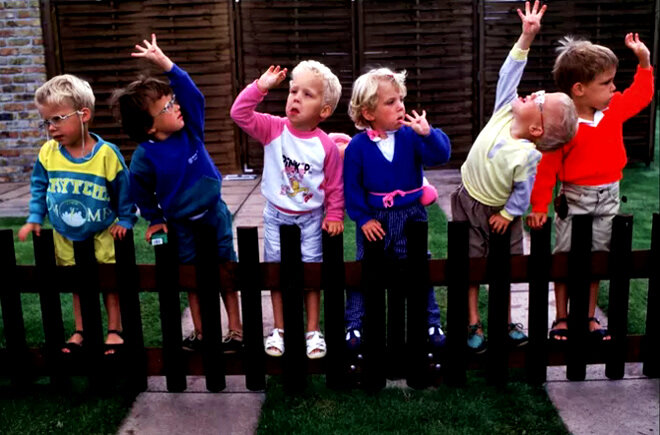
The “Blankenberghe Sextuplets” became the third in the world to survive infancy. They are not twins, as the pregnancy occurred as a result of in vitro fertilization. The father’s biological material fertilized six egg cells, but doctors deemed that two of them did not develop.
The mother and the four “older” children were discharged within a week, and the younger ones within a month. The Van Hove family became a “star” of the Belgian and European press. Especially since in Belgium itself, only quadruplets were usually born. Journalists literally besieged the family’s home. However, the parents demanded that the media stop interfering in their private life. No interviews or filming. Therefore, it is not possible to find photos of the sextuplets in their childhood. Several pictures from their childhood have surfaced in recent years.
Years passed, and the unique family was simply forgotten. Everyone, even the residents of Blankenberghe, where the sextuplets grew up. Intentionally or not, the parents never took all six children out together to avoid attracting attention. At most, they took three, if both parents went out together. Even to school, where the children studied in the same class, they did not go out together from home.

In 2004, a local priest mentioned in an interview that over 20 years, he saw all six of them only once—when he baptized them.
But when the five brothers and their sister grew up, no one in their hometown pointed fingers at them. Looking completely different, they never raised any questions.